the end of ussr
A series of events from 1989 to 1991 led to the final collapse of the Union of Soviet Socialist Republics USSR paving the way for the establishment of new independent republics in the Baltics and Central Asia and the creation of the Russian Federation. The only major impediment to the expansion of Soviet rule in Eastern Europe came in Finland where the entry of Soviet troops at the end of November 1939 sparked a brief but intense war that exposed grave weaknesses in the Red Armyweaknesses that stemmed in part from Joseph Stalins wholesale purges of the Soviet High Command in 19361938.

Causes Of The Cold War Summary Analysis Cold War Propaganda Cold War War
The Beginning To The End A History Of The Soviet Union From The Beginning To The End As recognized adventure as without difficulty as experience very nearly lesson amusement as skillfully as understanding can be gotten by just checking out a ebook a history of the soviet union from the beginning to the end plus it is not directly.

. The end of a superpower - The. The Revolutions of 1989 and the Fall of the Soviet Union. Stalins prestige was however enhanced by eventual victory in the war and the economy in the USSR began to recover.
Collapse of the Soviet Union sequence of events that led to the dissolution of the Soviet Union on December 31 1991. Leonid Brezhnev had declared the doctrine after ordering Soviet forces into Czechoslovakia in 1968 to crush an incipient democratic. Bush did not automatically follow the policy of his predecessor Ronald Reagan in dealing with Mikhail Gorbachev and the Soviet Union.
The collapse of the coup led to the demise of Soviet communism but the CPSUs influence had been dwindling since at least the beginning of Gorbachevs reform regime in 1985. The End of the USSR. Russian President Vladimir Putin described the collapse of the Soviet Union as the greatest geopolitical catastrophe of the 20th century This documentary.
After his inauguration in January 1989 George HW. The Soviet Union Collapses. Washington DC November 22 2011 - Marking the 20 th anniversary of the breakup of the Soviet Union the Gorbachev Foundation hosted a two-day conference in Moscow on November 10-11 co-organized by the National Security Archive and the Carnegie Moscow Center examining the historical experience of 1989-1991 and the echoes today.
The dissolution of the Soviet Union in December 1991 marked the culmination of the betrayal by the Stalinist bureaucracy of the October 1917 revolution in Russia. It was 74 years old. In the war itself the Soviet Union lost around 27 million people nearly nine million in the military and up to nineteen million civilians.
Dissolution of the USSR and the Establishment of Independent Republics 1991. Twenty years on from the Soviet coup that ultimately ended Mikhail Gorbachevs political career and gave birth to 15 new states The Guardian was keen to explore just how well those 15 former. Together they brought the Soviet Union to its sudden end.
As history shows the official dissolution of the USSR on the 26th of December 1991 marks the end of the cold war but how did the Russian superpower fall from such heights. The Soviet Union officially the Union of Soviet Socialist Republics USSR was a communist state that spanned Eurasia from 1922 to 1991. Russia replaced the now-irrelevant Soviet Union at the United Nations and took over its seat on the Security Council.
The coups failure simply punctuated this decline by showcasing the hollow threat that the once-dominant Soviet apparat had become. Mikhail Gorbachevs Glasnost and Perestroika. Then doubling down on his reforms in 1988 Gorbachev repudiated the Brezhnev Doctrine.
In practice its government and economy were highly centralized until its. A quarter of the whole population of the Soviet Union was either killed or wounded. Gorbachev resigned his leadership to Yeltsin who completely eliminated the CPSU and officially dissolved the Soviet Union on December 24 1991.
Armenia Azerbaijan Belarus Estonia Georgia Kazakhstan Kyrgyzstan Latvia Lithuania Moldova Russia Tajikistan Turkmenistan Ukraine and Uzbekistan. Washington DC December 25 2016 On Christmas Day 25 years ago the last leader of the Soviet Union Mikhail Gorbachev stepped down and the hammer-and-sickle flags over the Kremlin were replaced with the red-white-and-blue of the Russian Federation. The Soviet state marked throughout its brief but tumultuous history by great achievement and terrible suffering died today after a long and painful decline.
Triumphalists and conspiracy theorists ever since have attributed this epochal event to the. One of the two giants had to fall so the other may prevail. In this statement David North draws the implications of this.
On December 26 1991 the Soviet Union also known as the Union of Soviet Socialist Republics which emerged out of the socialist revolution of October 1917 was formally dissolved by the. The former superpower was replaced by 15 independent countries. Perestroika and glasnost represented change inside the Kremlin.
Washington DC December 21 2021 On Christmas Day 30 years ago the last leader of the Soviet Union Mikhail Gorbachev stepped down and the hammer-and-sickle flags over the Kremlin were replaced with the red-white-and-blue of the Russian Federation. The end of USSR did not happen overnight but rather in stages namely politically and economically specifically the end of the command economy the discrediting of soviet communist ideology the decline of the Communist Party of the Soviet Union CPSU and the disintegration of USSR into the 15 states which occurred on 25 December 1991. When the military refused to violently engage with its own people the coup failed.
Instead he ordered a strategic policy re-evaluation in order to establish his own plan and methods for dealing with the Soviet Union and arms control. From the start of this 45 year-long struggle for power only one resolution was possible. On December 25 1991 the Soviet flag flew over the Kremlin in.
The Collapse of the Soviet Union. The formal dissolution of the Soviet Union on December 25 1991 74 years after the October Revolution confronted the International Committee with crucial theoretical historical and political. It was nominally a federal union of multiple national republics.

Viktor Deni Vintage Soviet Poster Ussr Wwii Victory Long Live Generalissimos Stalin 1945 Long Live Generalissimos St In 2022 Soviet History Propaganda Posters Soviet

Resources For History Teachers Historical Maps Soviet Union Map

End Of The Ussr Visualising How The Former Soviet Countries Are Doing 20 Years On Historical Geography Infographic Inspiration Ussr

Dissolution Of The Soviet Union Wikipedia Soviet Union Afghanistan Flag Soviet

Maps On The Web Map Soviet Union Soviet

1991 Fall Of The Ussr Ussr World Conflicts Photo Record

Pin On General

Pin On Most Captivating Photography

Soviet Visuals On Twitter Propaganda Posters Revolution Art Classic Art Prints
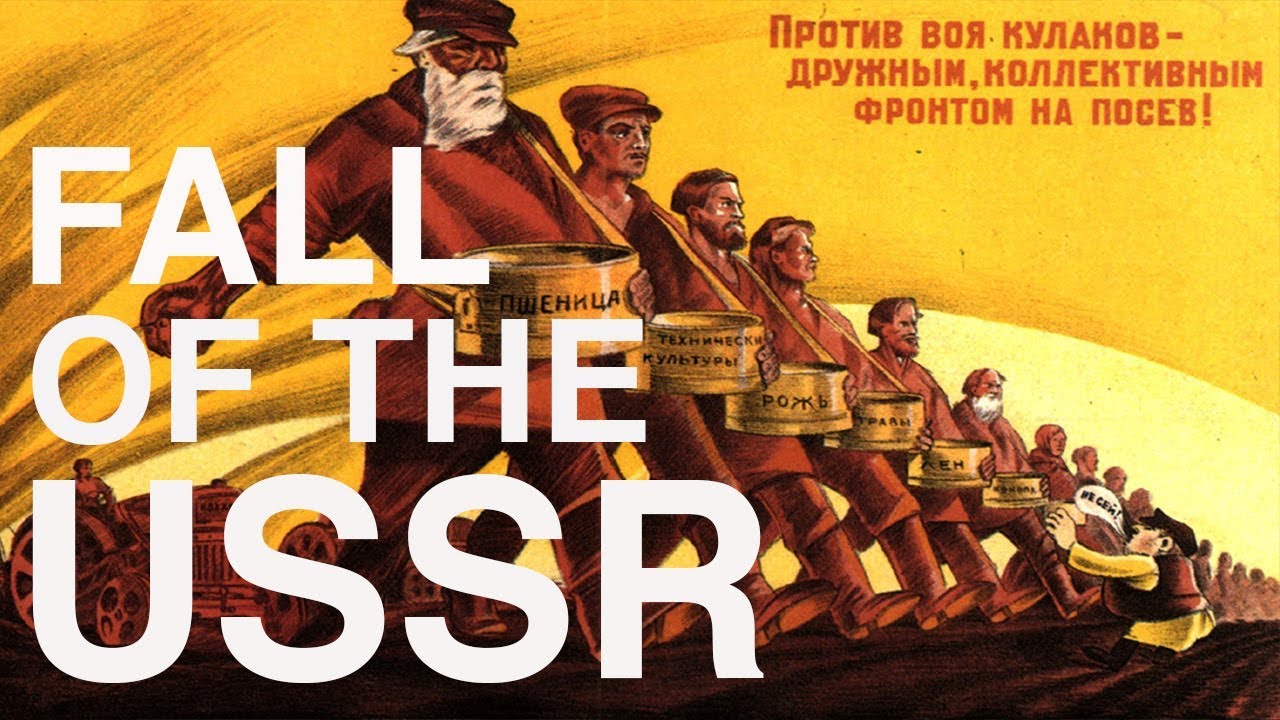
Cc Cycle 2 Week 22 Fall Of The Soviet Union Explained In 5 Minutes Youtube Soviet Union Soviet Union

This American Drawing Shows The Dissolution Of The Soviet Union Gorbachev Photo To Cartoon Canvas Prints
1945holland Russia 1991 Towards The End Of The Ussr Fashion Soviet Ussr

This Day In History Mar 11 1985 Mikhael Gorbacheve Becomes The Last Leader Of The Soviet Union Enacting Policies That Today In History History Gorbachev

The Long Breakup Looking Back At The Fall Of The Soviet Union Soviet Union Soviet Gorbachev

Pin On Comunismo

End Of The Ussr Visualising How The Former Soviet Countries Are Doing 20 Years On World History Classroom World History Facts Teaching History

Pin On World

Pin On Soviet Three Sheets Triptych Posters

The End Of Soviet Union Graphic Design Design Soviet Union